
Summer Recess

It is the Summer Recess for both Houses of Parliament, allowing MPs, Peers and parliamentary staff the opportunity to take some time off. There is a long history to the Summer Recess and its timing.
In the nineteenth century, politicians became preoccupied with being away from Parliament by the Glorious Twelfth. In 1773, the 12th of August had the date set in statute for the opening of grouse shooting in England and Scotland. The Glorious Twelfth, then, came to act as the official start of the shooting season. Many politicians were eager to leave Westminster by mid-August in order to travel to the grouse moors of Northern England and Scotland. You can read more about that here. It is perhaps worth noting that parliamentary business often made that impossible, and Parliament would frequently be unable to finish its work before mid-August.
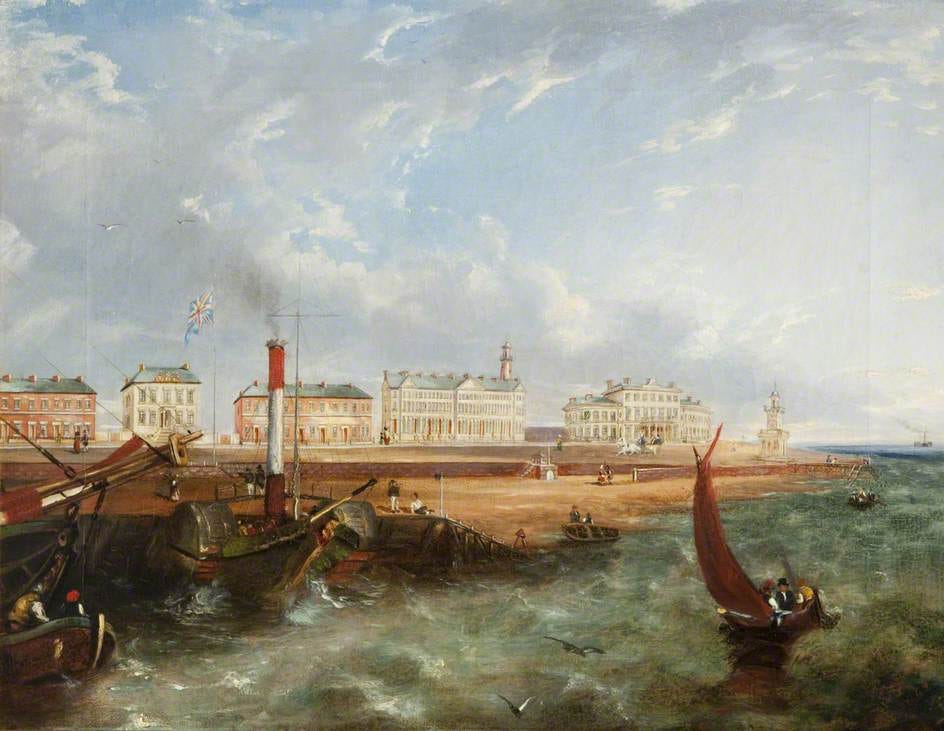
As this post explores, the holidays of Victorian MPs were varied. Some used the recess to explore new countries and cultures, and educate their families in the process [I am not sure Gladstone lecturing on Dante first thing in the morning screams relaxing vibes, but perhaps that is just me], while others used the recess to improve their health. The growing popularity of holidays, and of seaside resorts in particular, coupled with the development of the railways, prompted some Victorian MPs to develop seaside towns. This was how Fleetwood and Saltburn-by-the-Sea were created, and the arrival of the railways also helped Whitby’s transformation from a town dominated by shipping and fishing to a holiday destination.
By the post-1945 period, the holidays looked a little different. The History of Parliament’s Oral History project allows us to reflect on the importance of childhood holidays for politicians. As this post reveals, the Second World War and its aftermath often shaped summer experiences.
There have been times when Parliament has not had a summer recess. This is normally because of extraordinary political events. This was the case in 1746, when Parliament sat through the summer for the joint trials of Lords Balmerino, Cromartie and Kilmarnock. Those three Scots Peers had been arrested for taking part in the Jacobite Rebellion the previous year. You can read about that extraordinary parliamentary summer here.